19 May 2026
Aligning notification triggers with momentum indicators from racetracks, courts, and fields to build effective multi-outcome wagers
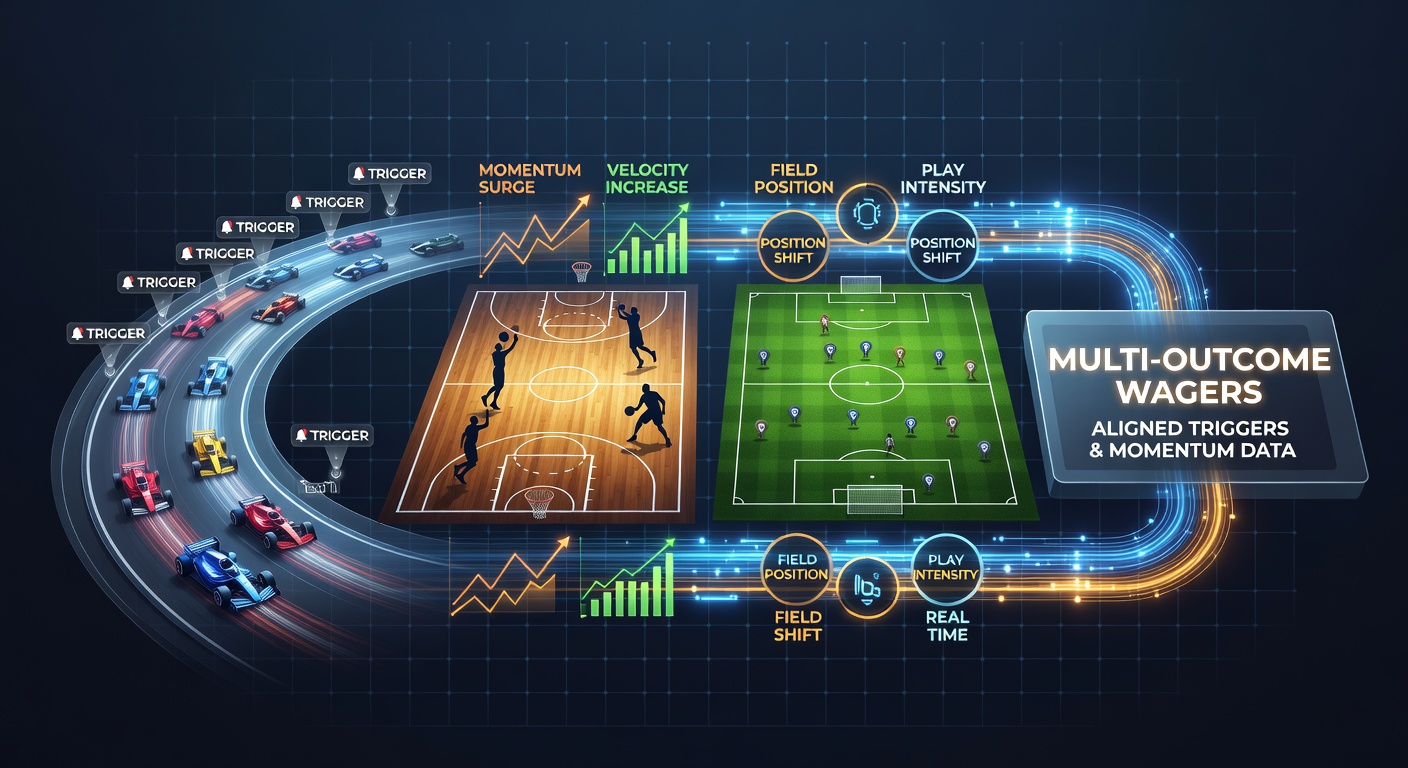
Notification systems in modern betting platforms now pull directly from performance data streams generated on racetracks, courts and fields, allowing bettors to time multi-outcome wagers with greater precision. These triggers activate when specific momentum markers appear, such as a horse maintaining consistent sectional times or a tennis player winning a higher percentage of points on second serve during a set.
Momentum markers across racing surfaces
Racetrack data feeds supply split-second updates on pace, stride length and energy distribution that operators convert into alert conditions. When a jockey records back-to-back sub-23-second furlongs in the final stages of a trial, systems flag the pattern and push a notification that combines the horse with correlated outcomes in other events. Observers note that these markers gain additional value when paired with field conditions recorded at the same venue earlier in the day.
Court-based sports generate parallel datasets through ball-tracking and player-movement sensors. In tennis, algorithms monitor rally length and winner-to-error ratios during live sets. A shift toward shorter rallies coupled with improved first-serve percentages often precedes a break of serve, prompting platforms to issue a trigger that links the tennis leg to football or basketball selections already in a multi-outcome ticket. Basketball applications track transition efficiency and defensive rebound rates within specific quarters, creating comparable notification points.
Field sports and cross-venue synchronization
Football pitch analytics contribute possession-value metrics and progressive-pass success rates that update every 30 seconds. When a team increases its expected-threat score by 0.15 or more across consecutive possessions, betting interfaces can route that signal into an accumulator builder. The same framework accommodates Australian Rules or rugby data when operators expand coverage, although the core principle remains consistent: momentum thresholds trigger alerts that populate remaining legs of a multi-outcome wager.
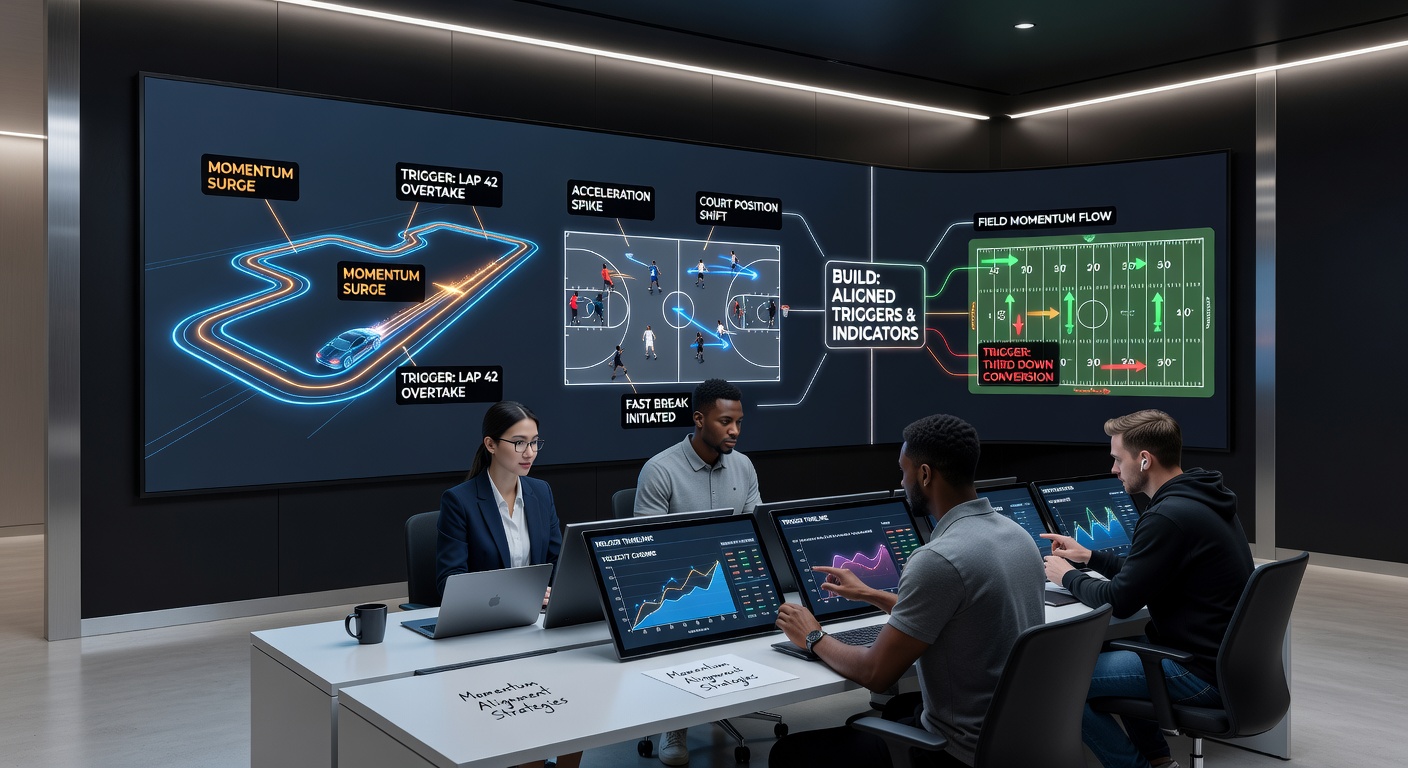
Research published by the University of Nevada Reno's International Gaming Institute indicates that synchronized alerts across three or more sports increase the average number of legs completed in accumulator tickets by measurable margins during peak fixture periods. In May 2026, overlapping schedules between major European football leagues, North American basketball playoffs and Australian winter racing meetups create extended windows where such cross-sport triggers operate simultaneously.
Trigger configuration and data integration
Operators configure notification rules through application programming interfaces that ingest official timing feeds and optical tracking outputs. Bettors select threshold values, for example requiring a horse to improve its closing sectional by at least 0.8 seconds compared with its previous start, then choose which additional outcomes populate the ticket. The system evaluates each incoming data point against stored historical distributions before dispatching the alert, reducing instances where isolated noise generates false positives.
According to statistics compiled by the American Gaming Association, platforms that expose these configurable thresholds record higher session durations among users who combine at least one live leg with two pre-match selections. The integration layer maps racetrack speed figures to court-based efficiency ratings through normalized z-scores, allowing direct comparison even though raw units differ.
Practical construction of multi-outcome tickets
Users begin by establishing baseline profiles for each sport. A profile might include a minimum energy index for thoroughbreds, a rally-win percentage ceiling for tennis players and a progressive-pass threshold for football sides. Once profiles exist, the notification engine monitors live streams and surfaces combinations only when every selected marker meets its criterion within a defined time window. This approach replaces manual scanning with automated sequencing, yet still requires the bettor to confirm stake and odds before submission.
Case studies from Australian wagering operators demonstrate that tickets assembled via momentum-aligned alerts show tighter clustering around expected value bands than randomly selected accumulators during comparable fixture density. The same studies record that May 2026 schedules, featuring concurrent Melbourne metropolitan racing meetings and European football matchweeks, produce the highest volume of qualifying triggers per calendar week.
Conclusion
Alignment between notification triggers and momentum indicators drawn from racetracks, courts and fields supplies a structured method for assembling multi-outcome wagers. Data streams from official timing and tracking providers feed threshold-based alerts that operators route into accumulator builders. As fixture calendars continue to overlap through 2026, the same synchronization framework scales across additional venues and codes while preserving the core requirement that each leg satisfy an objective performance marker before inclusion.