28 May 2026
Correlating Atmospheric Conditions with Wagering Line Adjustments in Outdoor Competitions Across Bookmaking Services
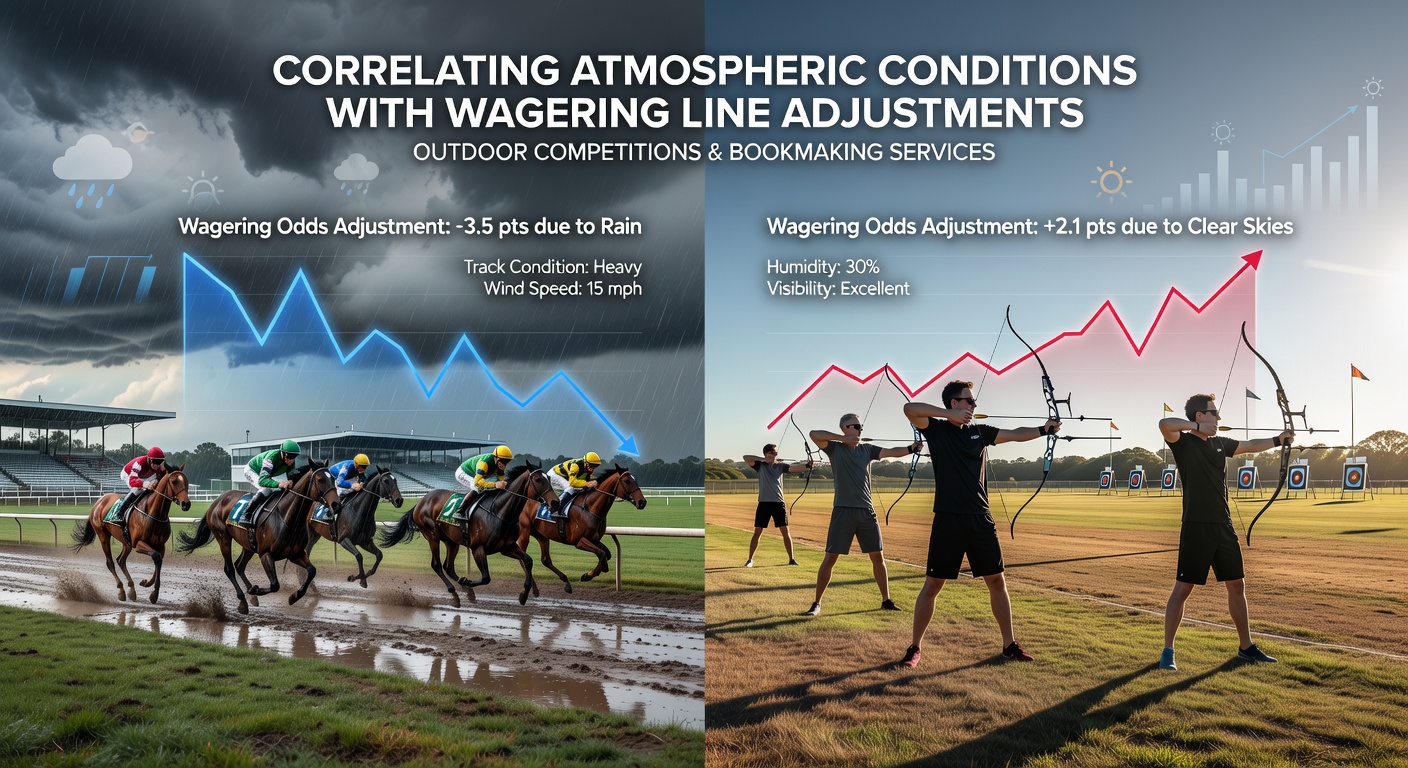
Atmospheric conditions shape performance metrics in outdoor sports, and bookmaking services respond by recalibrating wagering lines to reflect those measurable shifts in probability. Wind speed, humidity levels, precipitation rates, and temperature fluctuations alter ball trajectories, player endurance, and track surfaces, prompting operators to revise spreads and totals across football, tennis, baseball, and horse racing markets.
Weather Variables and Performance Data
Researchers at meteorological agencies track specific variables that directly feed into statistical models used by oddsmakers. High humidity reduces air density and changes how baseballs travel through the strike zone, while sustained winds above 15 kilometers per hour alter serve percentages in tennis and field goal accuracy in football. Precipitation softens turf, increasing injury risk and slowing horse racing times, and these documented effects appear in historical datasets maintained by organizations such as the Australian Bureau of Meteorology.
Bookmakers integrate real-time feeds from weather stations positioned at venues, combining them with historical performance records under similar conditions. When forecasts indicate gusts exceeding typical thresholds for a given stadium, lines on total points in football games often move toward the under, because passing and kicking efficiency decline in measurable ways according to league-wide statistics.
Adjustment Mechanisms Across Operators
Operators monitor atmospheric forecasts starting 48 hours before events and continue updating lines as conditions evolve. They apply algorithms that weight weather impacts against team or player tendencies, then shift moneylines, totals, and player props accordingly. In tennis, for instance, high temperatures correlate with elevated service hold percentages in early sets, leading services to adjust game handicaps when matches occur in regions with afternoon heat spikes.
Regional differences emerge because operators in different jurisdictions prioritize distinct data sources. North American books emphasize humidity effects on baseball carry distance, whereas European platforms focus more on wind influence during football matches played in coastal stadiums. These variations create observable discrepancies in how lines settle across platforms once atmospheric data stabilizes.
Case Examples from Multiple Sports
Take horse racing events scheduled during periods of heavy rainfall: track surfaces change from fast to sloppy, and operators widen place and show payouts while shortening win odds on horses with proven mud performance. Data compiled by the Canadian Pari-Mutuel Agency shows consistent time differentials under wet conditions that bookmakers incorporate into morning line construction and subsequent adjustments.
Baseball totals respond similarly when temperature drops below seasonal averages. Lower temperatures make baseballs less lively, reducing home run frequency, and services respond by lowering run totals on affected games. Observers note these patterns repeat across venues where retractable roofs remain open, exposing play to ambient conditions.
Integration of Forecasts in May 2026
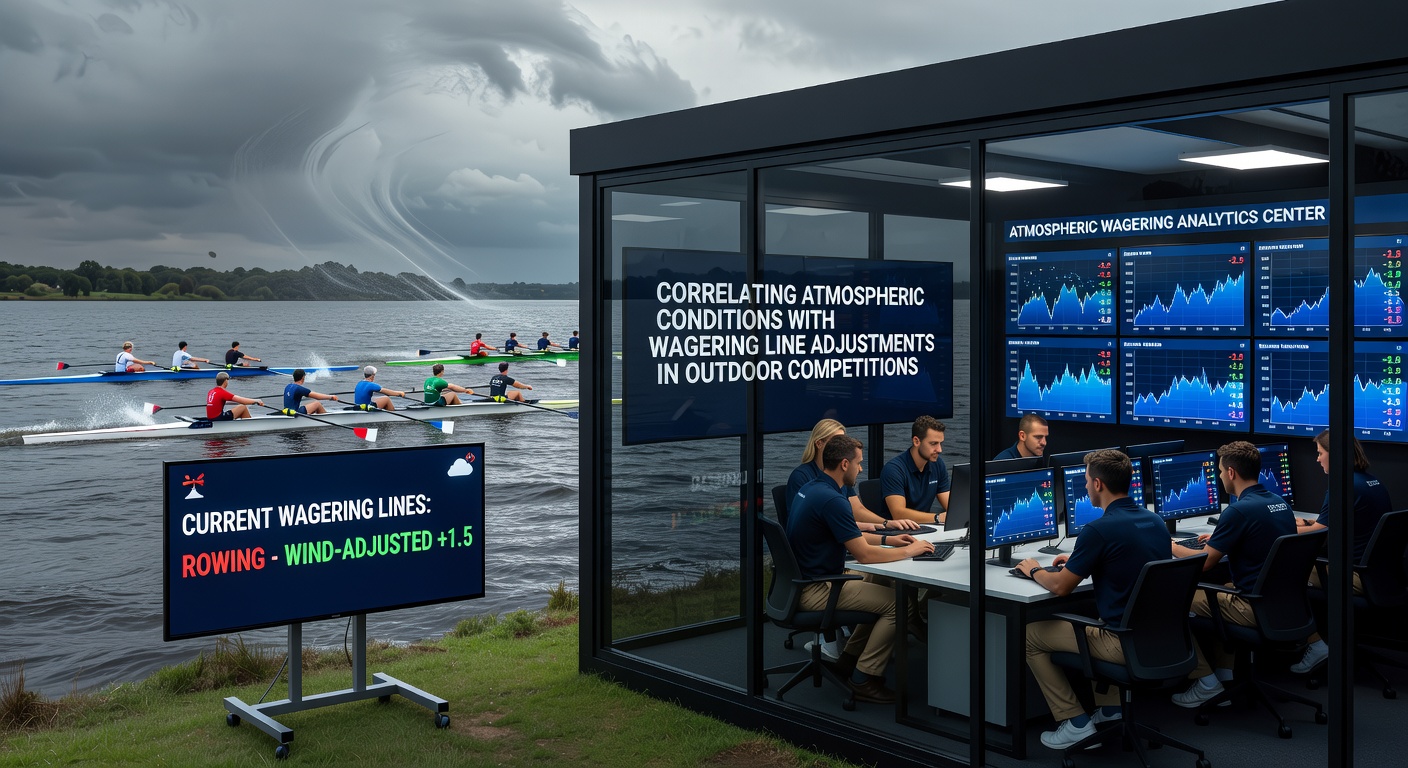
During May 2026, several outdoor competitions coincided with documented shifts in jet stream patterns that produced stronger than average crosswinds at European and North American venues. Operators adjusted live tennis game lines within sets when wind gusts reached recorded thresholds, and football goal totals moved in response to updated precipitation models released by national weather services. These adjustments occurred faster than in prior seasons because more platforms now ingest automated sensor data directly into pricing engines.
Market Implications and Data Sources
Line movements tied to atmospheric variables create opportunities for bettors who cross-reference weather models with historical splits. Studies from the University of Melbourne's sports analytics group demonstrate statistically significant correlations between dew point levels and tennis match durations, information that feeds into accumulator construction on platforms that update lines continuously.
Access to granular forecast data remains uneven, however, and services located in jurisdictions with stricter data-sharing requirements sometimes lag behind those drawing from open meteorological APIs. This lag produces temporary pricing inefficiencies that resolve once conditions become observable on site.
Conclusion
Atmospheric conditions supply quantifiable inputs that bookmaking services translate into dynamic line adjustments for outdoor competitions. The correlation rests on performance records, sensor networks, and algorithmic weighting rather than speculation, and the process continues to evolve as more operators incorporate higher-resolution weather data into their pricing systems. Observers tracking these relationships across multiple sports and regions gain clearer insight into why certain totals and spreads shift ahead of and during events.