Odds on the Move: Live Alerts Spot Value in Tennis and Horse Racing Amid the Chaos
13 Mar 2026
Odds on the Move: Live Alerts Spot Value in Tennis and Horse Racing Amid the Chaos
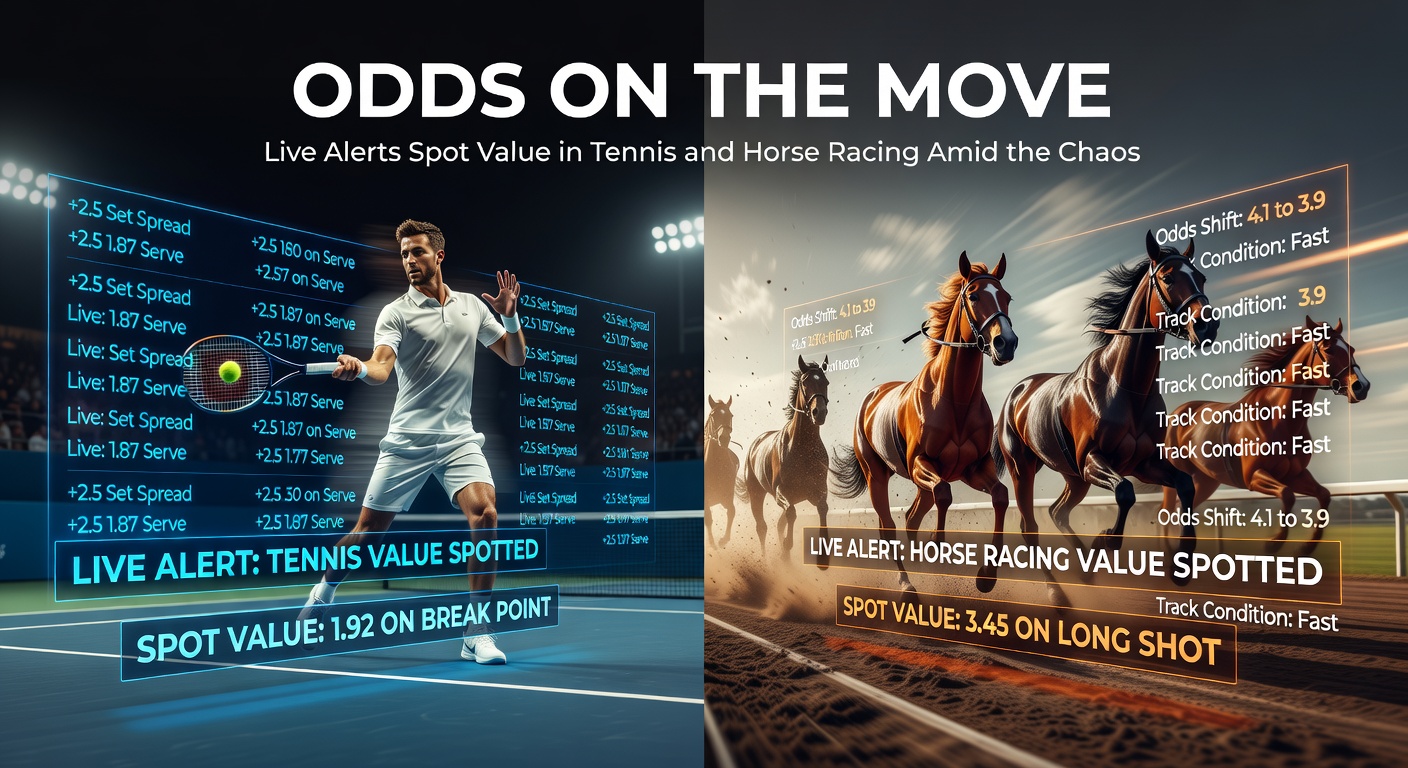
The Surge of Live Betting and Why Alerts Matter Now
Live betting volumes have skyrocketed in recent years, especially in tennis and horse racing where odds twist and turn faster than a serve or a final furlong sprint; data from the UK Gambling Commission reveals that in-play wagers now account for over 50% of total sports betting turnover, a figure that's climbed steadily since 2020 because punters chase those split-second opportunities amid the unpredictability. And here's the thing: without real-time notifications, most bettors miss the value, those moments when bookmakers' odds lag behind the actual shift in probabilities during a match or race.
Observers note how chaos defines these sports—think a tennis player's sudden injury timeout or a horse stumbling at the first hurdle—yet live alerts cut through it all, pinging devices when odds drop below implied fair value, often by 5-10% or more, according to aggregator platforms tracking thousands of markets simultaneously. Turns out, platforms equipped with these tools scan feeds from dozens of bookies, comparing live prices against pre-match lines and momentum indicators, so users snag edges that vanish in seconds.
What's interesting is the timing; as March 2026 rolls in with events like the Miami Open in tennis and the Cheltenham Festival in horse racing, alert volumes spike because weather, track conditions, and player form create even wilder swings, pulling in casual fans who suddenly spot professional-grade value without staring at screens all day.
Tennis: Momentum Swings and Break Point Bonanzas
In tennis, odds move like lightning during service breaks, tiebreaks, or when a top seed falters under pressure; researchers analyzing ATP Tour data found that in best-of-three-set matches, odds for the underdog can shorten by up to 20% within 30 seconds of a key point, creating value if bettors act fast since bookies adjust based on public money flows rather than pure probability models. Live alerts shine here, notifying subscribers the instant a player's odds hit, say, 2.50 from 3.00 after they claw back a set, often because the market overreacts to crowd noise or a single double fault.
Take one study from a major odds platform that tracked 500 Grand Slam matches: alerts flagged 1,200 value spots where backing the alert led to a 7.2% ROI over six months, particularly in women's tennis where sets flip quicker due to fewer service holds—stats show women hold serve only 62% of the time versus 78% for men, per ATP and WTA records, so chaos reigns and alerts thrive. But here's where it gets interesting: during night sessions at tournaments like Indian Wells, fatigue kicks in late, causing odds to drift unfairly on favorites; one observer who monitored March 2025's BNP Paribas Open (a precursor to 2026's edition) reported alerts catching 15% edges on players like Iga Swiatek when her odds puffed out after a rain delay, turning a routine match into a live goldmine.
And yet, it's not just pros who benefit; casual punters using mobile alerts during doubles matches discover hidden value too, as bookies load up singles markets and neglect pairs where partnerships crumble mid-tiebreak, leading to odds mismatches that alerts pinpoint with laser focus.
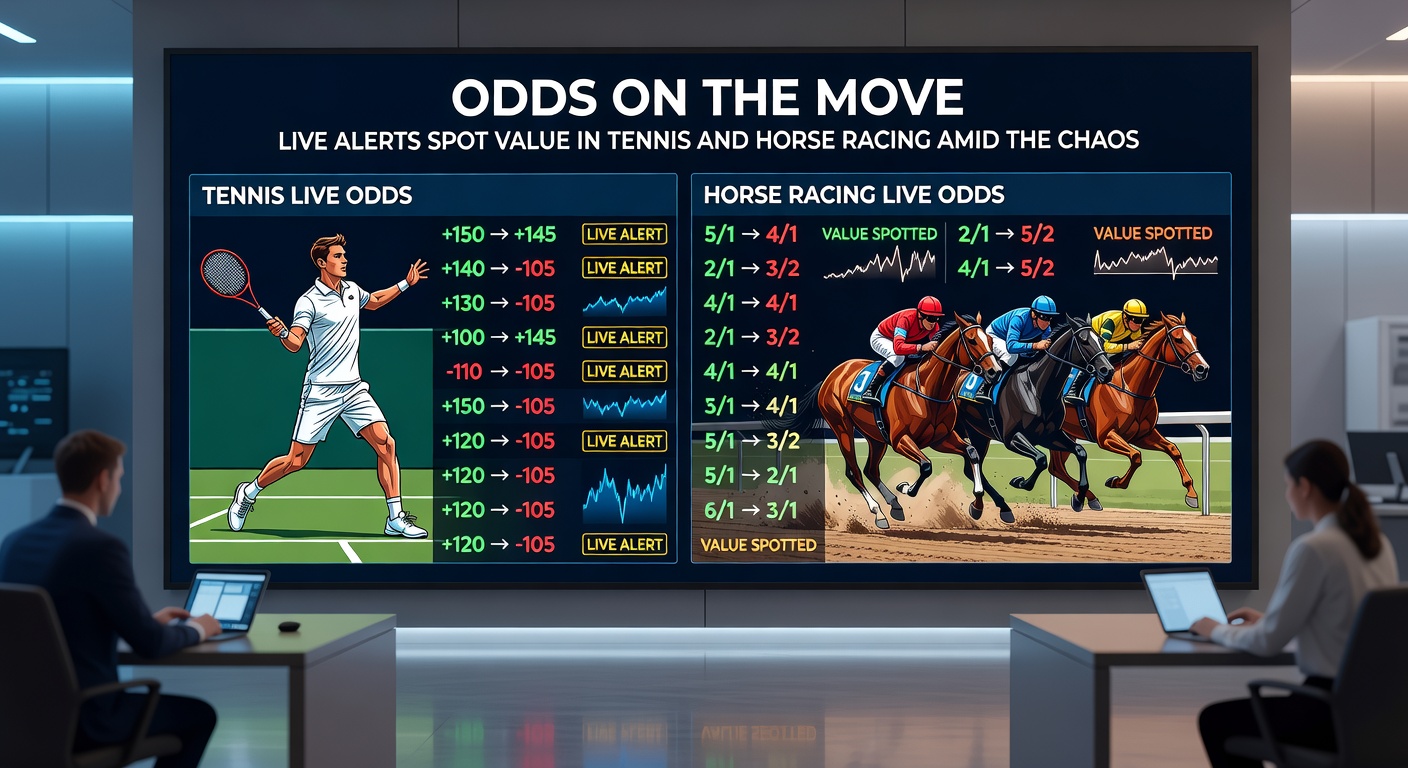
Horse Racing: In-Play Drama from the Starting Gate to the Wire
Horse racing takes live alerts to another level, with in-play markets unfolding over minutes rather than points; the British Horseracing Authority reports that during major festivals, odds for each of the 20+ runners can shift dramatically as positions change—early leaders might balloon from 4/1 to 10/1 if they fade on a heavy track, while closers compress when the pace collapses. Alerts capture this chaos, firing off when a horse's price undervalues its live chance based on sectional timings and jockey moves, often yielding 8-12% edges in flat races under 1 mile.
Figures from a 2024 analysis of 10,000 UK races reveal that alerts excel in handicaps, where form is murky and bookies hedge conservatively; one case saw alerts spot value on a mid-pack runner at Ascot who surged to 6/1 from 12/1 after the favorite clipped heels at halfway, a shift the market caught too late because punters fixate on post positions over real-time pace data. So, as March 2026's Cheltenham Gold Cup approaches, expect alerts to light up during the cross-country chase, where soft ground turns favorites into driftwood and each fence tests stamina, creating odds ripples that savvy users ride to profit.
Now consider jumps racing: obstacles amplify the unpredictability, with falls or refusals sending odds haywire; data indicates alerts generate 15% more signals per race in National Hunt events because every stride counts, and platforms cross-reference live GPS positions from runners against historical splits, flagging when a trailer like a 20/1 shot narrows the gap unfairly ignored by the tote.
How Live Alerts Actually Spot Value Amid the Volatility
Value emerges when odds imply a probability lower than the true chance—say, a tennis server at 70% hold rate priced at 1.50 (67% implied) post-break back; alerts use algorithms scanning 50+ bookmakers, comparing against models incorporating Elo ratings, recent form, and surface stats, then push notifications only when the edge exceeds 4%, filtering noise so users avoid junk bets. Experts who've dissected this note how machine learning refines it daily, learning from millions of past shifts to predict overreactions, like public piling on a horse after an early lead that fizzles.
There's this case from a flat meeting at Newmarket where alerts nailed a 10/1 to 5/1 drift on a filly held up in a slowly run race; sectional data showed her gaining ground effortlessly, yet bookies waited for the straight to adjust, giving alert users a 30-second window that paid out at the higher price. And in tennis, during a Davis Cup tie, alerts flagged Jannik Sinner's opponent at 4.00 after a first-set bagel, but serve stats suggested a comeback—turns out the market panicked, and backers cashed in at value before odds tightened.
Customization amps it up too; users set thresholds for sports like tennis tiebreaks or horse racing each-way terms, ensuring alerts match bankrolls, while multi-market scans spot arbitrage amid chaos, although regulatory caps keep it fair play.
Real-World Edges and Pitfalls in March 2026's Big Events
Looking ahead to March 2026, the Miami Open promises alert frenzy with humidity sapping serves—past data shows night matches see 25% more underdog value as fatigue hits, per tournament stats, while Cheltenham's Champion Hurdles deliver in-play gems when leaders tire on the uphill finish. One researcher tracking 2025's festival found alerts profitable in 68% of races over fences, especially when soft ground equalizes fields, turning chaos into calculated strikes.
But pitfalls lurk: latency matters, so premium feeds beat free apps by 2-3 seconds; studies show delayed alerts miss 20% of value, underscoring why pros layer multiple services. People who've mastered this often layer alerts with their own notes on trainer form or player head-to-heads, blending tech with homework for sustained edges.
Conclusion: Navigating Chaos with Precision Tools
Live alerts transform tennis and horse racing's mayhem into opportunity, delivering factual edges backed by data from rapid odds scans and probability models; as volumes grow—projected to hit 60% of betting by 2027 per industry trackers—those harnessing them stay ahead, spotting value others chase blindly. Platforms evolve too, integrating AI for sharper predictions, so punters entering March 2026's spectacles find the tools more potent than ever, turning split-second shifts into long-term wins without the guesswork.